The safety of goods and shipments transported worldwide is a top priority. Container seals play a vital security role in maintaining product integrity and preventing tampering or theft. They provide physical protection for containers during transport by sea, land, or air, acting as a deterrent against violations and ensuring compliance with international standards and customs regulations. Thus, container seals contribute to enhanced security and trust in the global supply chain, guaranteeing safe and reliable shipping.
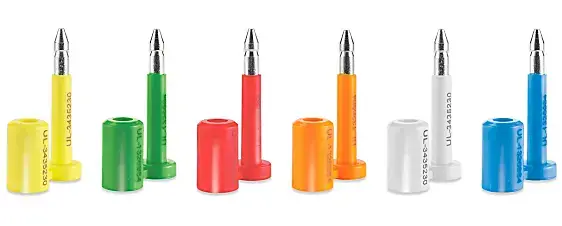
What are container seals?
Container seals are single-use locks designed to secure container doors during transport. These seals are specifically designed to protect contents from unauthorized access, tampering, and theft, ensuring the safety of the container's contents throughout transit.
Container seals are an essential security tool, providing visual evidence of any tampering attempts or potential breaches, helping to deter theft and ensure the safe transport of goods across various modes of transport, whether land, sea, or air.
Made from strong and durable materials, the seals can withstand harsh environmental conditions and continue to secure the container throughout the journey, until it is removed by the customer upon arrival at the destination.
Note: The customer must ensure that the seal is intact and has not been tampered with before removing it.
What is the container seal number?
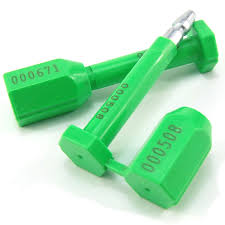
The container seal number is a combination of letters and numbers found on the base of the seal pin. These numbers are assigned by the seal manufacturer or shipping companies. Container seal numbers are assigned to facilitate legal cross-border trade in accordance with customs and border protection guidelines, ensuring the container passes smoothly through all customs inspections. For FCL (full container load) shipments, the seal number can be obtained directly from the shipping company. For LCL (less than container load) shipments, freight forwarders record the seal number and send it to the shipping company.
The importance of container seals:
- Container security: Container seals are used to secure container doors after goods have been loaded, ensuring their safety during transport.
- Compliance with standards: Seals are essential for government regulatory bodies, ports, importers and exporters, as all containers (FCL and LCL) must be tightly sealed during transit.
- Protection from weather conditions: Seals help protect goods from harsh weather conditions such as rain and sun, by ensuring that doors are tightly closed.
- Evidence of reliable handling: The seals are proof that the goods were handled by authorized personnel, enhancing the credibility of the shipments.
- Enhanced security: Amid growing security concerns, custom seals help provide security and reassurance regarding the safety of assets.
- Building trust with customers: By using high-security seals, companies protect their operations and build greater trust with customers, contributing to their success in a competitive market.
- Role in the global supply chain: Container seals act as a simple and effective security measure to maintain the safety and efficiency of the global supply chain and promote international trade.
Security seals and protection solutions for goods during transport
Container seals are essential tools for ensuring the safety of goods during transport. They play a vital role in maintaining the integrity of shipments across various modes of transport. Whether it's high-security bolt seals for sensitive cargo, cable seals for multiple applications, plastic seals as an economical solution, or even dry van trailer straps that contribute to the stability of goods, each type of seal offers unique advantages.
By becoming familiar with the different types of seals and choosing the most suitable ones, companies can enhance their goods security procedures and ensure the safe and secure delivery of shipments:
Types of container seals:
- High-Security Screw Seals: Protecting Valuable Goods: High-security screw seals are an effective way to protect valuable or sensitive goods to the fullest extent possible. These seals consist of a screw and a locking mechanism that provides tamper protection. Made from durable materials such as steel, screw seals are tamper-proof and ideal for securing containers during long-distance shipping. Businesses looking to enhance the security of their shipments can purchase flatbed truck straps online to protect their valuable cargo.
- Cable Seals: A Versatile and Reliable Security Solution: Due to their flexibility and reliability, cable seals are commonly used in the logistics industry. These seals consist of a cable that is passed through and securely fastened into a locking mechanism. Cable seals are highly flexible, allowing them to be used in a wide range of applications such as securing containers, truck doors, and cargo. With their tamper-evident features and adjustable cable length, cable seals offer an effective and adaptable option for cargo security.
- Plastic Seals: A Safe, Cost-Effective, and Easy-to-Use Solution: Plastic seals are a popular choice due to their low cost and ease of use. They are commonly used to protect containers, trucks, and trailers. These seals are lightweight and disposable, providing a clear indication of any tampering attempt. While they don't offer the same level of security as bolt or cable seals, they are a suitable option for securing low- to medium-risk cargo. Businesses can purchase plastic seals in bulk to meet their shipping and logistics needs.
- Dry Truck Trailer Straps: Ensuring Cargo Stability: Stability of cargo, in addition to securing containers, is vital during transport. Dry truck trailer straps are essential for securing cargo and minimizing movement or damage within the trailer. These straps are made of strong materials such as polyester and incorporate reliable fastening mechanisms like jacks or clamps. By securely securing cargo with dry truck trailer straps, businesses can reduce the risk of damage during transit and ensure safe arrival at their destination.ا.
Customs requirements for container seals:
- International Standard (ISO 17712):
- This standard defines the manufacturing requirements for high-security seals and includes specifications for seal design, strength, and tamper resistance features, in order to facilitate international shipping and ensure the safety of goods..
- Seals with a unique serial number:
- Unique serial numbers are assigned to the seals to prevent tampering. If tampering occurs, the seal is broken.
- Approved suppliers:
- Seals must be purchased from approved suppliers to ensure their quality and compliance with the necessary standards.
- Seal documentation:
- Shipping documents must include the seal number and type, to ensure that the integrity of the shipment and products inside the container can be verified.
How to install container seals:
- Security seals:
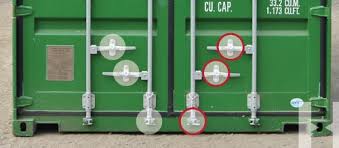
- The containers use at least one security seal when locked. Each container door has locking bars attached to each locking rod. Therefore, four locks are installed on the two doors together.
- Sealing procedures:
- The seal is usually placed on the right-hand door lock first, since the right door opens before the left. Sometimes, a seal may also be placed on the left-hand door for added security.
- In addition, the seal can be attached to the third strip near the bottom of the container.
- Container shipping procedures:
- Container seals are issued by the shipping lines concerned.
- The loading of goods into containers is monitored in accordance with ISO guidelines to ensure that products are loaded correctly.
- Seal installation:
- Before applying the seal, the pin and seal base must be removed.
- Next, the seal is carefully placed on the right door lock in the space between the handle and the retainer handle.
- After pressing the pin and base together, a "click" sound can be heard confirming that the seal is closed.
- Verify number:
- The number on the seal must be checked and the secret number must be confirmed to match the primary number, then it is entered into the bill of lading.
How to remove container seals:
- Procedures upon arrival at the destination:
- When the container arrives at its final destination, the recipient can assist in removing the seal.
- If transported by truck, the recipient may need a ladder or small chair to reach the seal.
- The correct break:
- Using bolt cutters or pliers, the seal is cut precisely.
- Remove seal:
- After cutting, the seal is properly removed in front of the recipient to ensure transparency.
Container seals: High technical and security features
Container seals are an essential security tool in international transport, possessing a number of technical and structural features that make them a reliable option for securing shipments. These features contribute to enhancing the security of goods during transit, ensuring their safety over long distances.
1. Two-part structure
Container seals typically consist of two main parts:
- The male part: This is the part that is attached to the seal.
- The female part: the part that receives the male part when locked. These two parts are designed so that they cannot be opened once locked, ensuring they cannot be tampered with.
2. Durable body material
Container seals use durable and robust materials to ensure the safety of the shipment and protect it from harsh environmental conditions, such as:
- ABS plastic for female parts.
- Round aluminum lathe.
- Spring steel for male parts.
These materials provide high resistance to tampering attempts and protect the seals from corrosion or damage.
3. Unique serial number
Each container seal has a unique serial number that is entered on both the male and female sides. These numbers allow for the traceability of the seals, enhancing security and reducing the likelihood of tampering or theft.
4. High locking security
Once the seal is installed, it locks securely and can only be opened using tools such as wire cutters. This high level of security ensures the protection of goods inside the container and reduces the chances of theft or tampering during shipping.
Conclusion:
By ensuring the use of high-quality container seals that comply with international standards, cargo security can be significantly improved, risks in shipping and transportation operations can be reduced, and trust between companies and customers can be strengthened. Choosing the right seals not only protects goods but also ensures the efficiency of the supply chain and adherence to global security standards, contributing to business success.