Storage companies and how to store goods in logistics shipping
Storage companies are essential elements in the logistics supply chain, as they significantly contribute to the management and storage of shipments to ensure product availability and effectively meet market needs. These companies play a vital role in securing goods and facilitating their distribution between shipping and distribution points, thereby enhancing the efficiency of logistics operations.
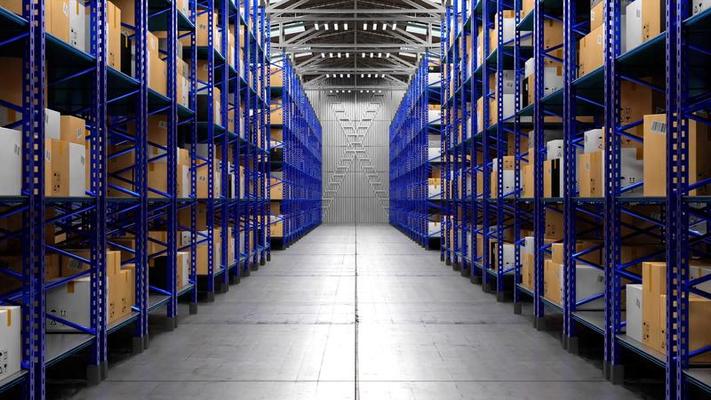
Types of storage companies
1. Public warehouses (fees apply):
These warehouses are available to any company or individual who pays the required fees. They offer a variety of storage services for both small and large businesses. They are characterized by their flexibility in accommodating different types of inventory and providing short-term and long-term storage services based on customer needs. Companies benefit from these facilities to store goods that need to be managed by a third party.
2. Private warehouses (for traders and companies):
Private warehouses are considered a dedicated option for traders and companies that regularly require large storage capacity. The ownership and operation of these warehouses belong to large companies and major manufacturers, who can afford the cost of building and maintaining their own storage facilities. This type of warehouse is characterized by its ability to meet the specific needs for storing goods that the owner requires on a regular basis.
Since investing in building a private warehouse requires significant expenses, companies that have the financial capability benefit from owning private warehouses that provide them with complete control over inventory management. These warehouses offer a storage environment specifically designed to meet the operational needs of the company, thereby enhancing the efficiency of logistics operations. Some large companies may own a network of private warehouses spread across different geographical areas, making it easier for them to manage inventory more effectively and meet orders more quickly across the country.
3. Government customs warehouses:
These warehouses are used to store goods that are subject to customs control, such as goods that need to be inspected or undergo customs procedures before being released. These warehouses are usually located near Ports or border entry points, providing secure facilities to ensure the safety of goods while awaiting customs review and clearance.
The expected benefits of storage operations
- Cost reduction: by optimizing space usage and reducing the need for expensive temporary storage.
- Improving inventory turnover time: speeding up the inventory rotation process and reducing wait times.
- Ensuring adequate inventory: maintaining sufficient stock levels to meet orders without interruption.
- Better use of space: Efficiently organizing storage to save space and facilitate access to goods.
- Increasing Employee Productivity: Improving processes to enhance efficiency and increase work effectiveness.
Integration between warehousing and logistics shipping
Improving the supply chain:
- Coordination between storage and shipping: enhances the efficiency of the supply chain and reduces waiting times and costs.
- Order Management: The integration of storage systems with order management systems enhances processing accuracy and speeds up order fulfillment.
Information and communication technologies:
- Shipment Tracking Systems: Provides a comprehensive view of the status of goods in transit, helping to improve inventory management and make quick decisions.ة.
- Live updates: Provide live updates on the status of shipments and inventory levels, enhancing companies' responsiveness to changes in demand.
Key elements of storage solutions
- Warehouse management:
- Organization and preparation of spaces: Planning boxes and shelves to improve usage.
- Supervision of daily operations: organizing workflow, recording shipments, and managing compliance.
- Warehouse operations:
- Inventory Movement Tracking: Monitoring inventory movement to ensure efficiency.
- Cost reduction: Improving efficiency to reduce expenses.
- Improving turnaround time: Accelerating inventory input and distribution processes.
- Inventory Sufficiency Assurance: Ensuring the availability of sufficient inventory to meet demand.
- Warehouse management:
Logistics Management Guide
Logistics management Logistics management involves organizing and coordinating all operations related to the movement and storage of goods from their point of origin to their final destination. This management encompasses all activities necessary to ensure the efficient and effective delivery of products to customers, maximizing customer satisfaction.
- Logistics management objectives
- Improving distribution efficiency: ensuring products arrive on time and at the lowest cost.
- Cost reduction: Decreasing expenses related to transportation, storage, and inventory management.
- Increasing customer satisfaction: Meeting customer expectations in terms of quality, time, and cost.
- Improving information flow: Providing accurate and effective information about the status of shipments and inventory.
Storage in Saudi Arabia and companies that provide storage
Storage companies in the Kingdom of Saudi Arabia play a vital role in supporting trade and Logistics Especially with economic growth and the expansion of e-commerce. Among the storage companies in the Kingdom:
- Logexa" It offers integrated storage solutions using advanced and sophisticated technologies.
- The Four Directions :We offer warehouse storage services for both businesses and individuals, providing flexible and customized storage solutions to meet diverse customer needs.
Complete logistics solutions
Some companies offer integrated logistics solutions that include storage, shipping, and distribution, which helps simplify operations, reduce costs, and enhance the overall efficiency of the supply chain.
Conclusion
Warehousing companies are an essential part of the logistics process, contributing to the efficient securing and storage of goods. By adopting modern warehousing strategies and advanced technologies, supply chain efficiency can be improved and costs reduced. In Saudi Arabia, warehousing companies play a vital role in supporting the local economy and meeting the growing demand for logistics services, thus enhancing growth and development in this crucial Logistics Services ،which enhances growth and development in this vital sector.