
Materials Safety Data Sheets (MSDS) are essential for ensuring safety and compliance when handling hazardous materials. In industries that require the frequent use and transport of these materials, accurate and comprehensive information is crucial.
The MSDS provides essential information on the properties of hazardous materials, how to handle and store them, as well as relevant emergency procedures.
In this blog post, we'll review the key components of Materials Safety Data Sheets (MSDS) and understand how they contribute to enhancing safety and compliance. Whether you're a professional in the field, someone interested in safety, or simply curious about the topic, this blog post will provide you with valuable insights into the importance of MSDS and how to read them correctly to ensure the safe handling of hazardous materials.
What is a Material Safety Data Sheet (MSDS)?
A Materials Safety Data Sheet (MSDS) is a document containing detailed information about specific chemicals and the potential hazards associated with the product. The sheet describes the chemical composition, as well as health, fire, reactivity, and environmental hazards, and provides guidance on how to handle, store, and dispose of these materials safely.
Organizations that handle chemicals or products containing hazardous materials must pay particular attention to the MSDS (Material Safety Data Sheet). This includes any activity involving the supply, handling, or use of hazardous materials. It helps ensure that employees are aware of the hazardous materials and how to handle them safely.
The Material Safety Data Sheet (MSDS) is closely linked to shipping and logistics management, as it contains instructions on how to safely transport hazardous materials during shipping. This document is essential for all industries, particularly in the healthcare, research laboratories, and automotive sectors, as well as the shipping industry.
What is a Material Safety Data Sheet (MSDS) in the shipping and logistics sector?
In the complex world of shipping and logistics, safety is paramount, especially when transporting hazardous materials. A Materials Safety Data Sheet (MSDS) is a cornerstone of safety protocols, serving as a fundamental chemical safety document and a regulatory requirement.
Merchant ships transport a wide variety of goods from one place to another, some of which may include hazardous materials such as oil, dangerous chemicals, and toxic gases, transported for industrial or maintenance purposes. However, all such shipments must undergo rigorous inspection. Hazardous materials on board a ship can pose a threat to the safety of seafarers and the surrounding marine environment.
A Materials Safety Data Sheet (MSDS) provides comprehensive information on the physical, chemical, explosive, and radiological properties of the hazardous materials in a shipment. Typically provided by the source, often the manufacturer, it is particularly essential when transporting hazardous goods.
A Materials Safety Data Sheet (MSDS) serves as a reliable resource, providing vital information to ensure the safe handling, storage, and transport of hazardous materials. This document includes information on potential hazards, recommended safety precautions, emergency response procedures, and appropriate disposal methods.
Components of a Materials Safety Data Sheet (MSDS) and how to read it
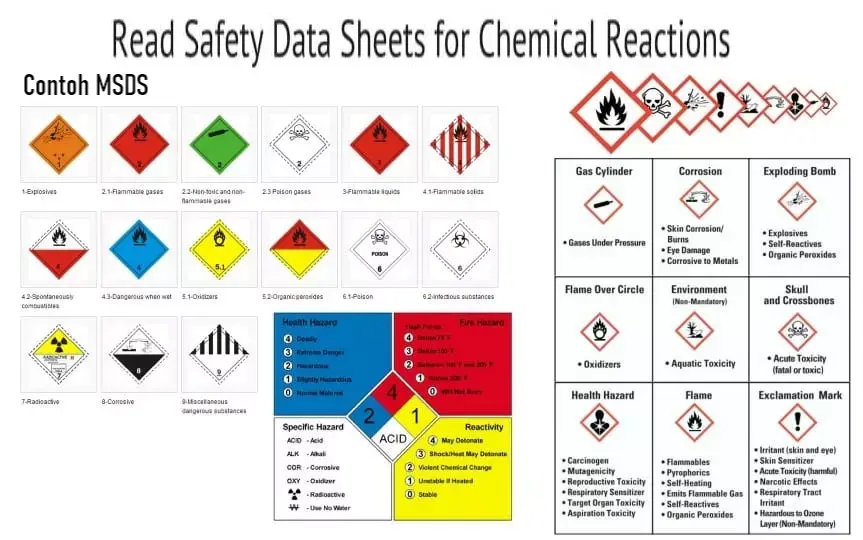
An MSDS typically includes 16 main sections, and its format can vary between countries or companies. Here are the basic components of how to read an MSDS:
- Definition: Includes details about the material or mixture and the supplier.
- Hazard identification: Provides information on the potential health and other hazards of the chemical.
- Composition/Ingredients Information: Shows the chemical composition of the substance and its main components.
- First aid procedures: Outlines the first aid steps in case of exposure to the substance or mixture.
- Firefighting procedures: Provides recommendations for extinguishing fires caused by chemicals.
- Accidental Release Procedures: Provides guidance on dealing with spills or leaks, and methods of containment and cleanup.
- Handling and Storage: Explains safe handling practices and storage recommendations.
- Exposure/Personal Protection Controls: Defines safe exposure limits and provides recommendations regarding personal protective equipment.
- Physical and chemical properties: Describes physical properties such as color, smell, boiling point, and other chemical properties.
- Stability and reactivity: Explains conditions of chemical instability and possible reactions.
- Toxicology Information: Provides details about potential health effects and routes of exposure.
- Environmental information: Information about the impact of the chemical on the environment in the event of a spill or release.
- Waste disposal considerations: Defines safe disposal practices.
- Shipping Information: Provides guidance on safe shipping and transportation, including precautions and potential hazards.
- Regulatory Information: This section covers regulatory information relevant to the material, such as health and safety standards.
- Other information: Any additional details relating to safety or safe use of the material
How to read an MSDS:
- Begin by searching in Part 1 to identify the chemical and the supplier.
- Move on to risk identification to identify potential risks to health and the environment.
- Read the first aid procedures in case of exposure.
- Check the fire safety procedures to know how to deal with a fire.
- Review the physical and chemical properties to understand the properties of the material.
- Read the accidental release procedures for dealing with leaks.
- Verify the shipping and regulatory information to ensure compliance with legal requirements.
Goods that require a Safety Data Sheet (MSDS)
A Safety Data Sheet (MSDS) is an essential document to ensure the safe handling of chemicals and products that may pose a hazard during transport or storage The following are 9 types of goods that require an MSDS to ensure compliance with global standards and to protect the environment and individuals:
- Electronics: such as devices that contain batteries.
- Liquids: such as inks and essential oils, especially flammable ones.
- Powders: such as volatile or flammable powders.
- Chemical cleaning products: those that contain hazardous chemicals.
- Paints and solvents: flammable or toxic.
- Pesticides and fertilizers: which contain substances that may be harmful.
- Cosmetic products: those that contain hazardous substances such as perfumes or preservatives.
- Adhesives: those that contain volatile organic compounds.
- Pharmaceutical preparations: those that contain controlled substances or require special processing.
How to obtain a Materials Safety Data Sheet (MSDS)
If you are unable to provide a Material Safety Data Sheet (MSDS) for a shipment that requires it, you may face:
- Shipping delays: Dangerous shipments require dedicated flights and are subject to additional security and customs inspections.
- Additional costs: Shipping hazardous materials requires additional charges due to special handling and documentation.
- Safety hazards: Without an MSDS, it is difficult to identify potential hazards, putting employees, other shipments, and the environment at risk.
How to obtain a Materials Safety Data Sheet (MSDS):
- Contact the manufacturer or supplier: Manufacturers or suppliers should provide a material safety data sheet upon request.
- Using online databases: You can access extensive MSDS libraries through sites such as ChemSafetyPro and Sigma-Aldrich.
Conclusion:
Materials Safety Data Sheets (MSDS) are essential documents for companies handling hazardous chemicals, providing comprehensive information about the properties of each chemical, its associated hazards, and Safe handling procedures . This contributes to ensuring worker safety and environmental protection. By complying with regulatory requirements and providing easy access to these documents, companies can effectively manage risks and protect their employees. Prioritizing the use of MSDS helps companies create a safer working environment and reduce the likelihood of accidents and illnesses resulting from chemical exposure.