He promises shipping Maritime transport is a vital artery of international trade, facilitating the exchange of goods and products that underpin our economies. However, this constant flow of goods is not without risks, particularly when it comes to the transport of hazardous materials.
To ensure the safety of navigation, protect the environment, and safeguard the health of people in ports and on board ships, the International Maritime Organization (IMO) has developed a comprehensive set of regulations: the IMO Classification of Dangerous Goods.
In this article you will understand the meaning of the IMDG code and you will explore the different categories of dangerous goods.
What is the IMDG-International Maritime Dangerous Goods code?
The International Maritime Organization's classification of dangerous goods, also known as the IMDG (International Maritime Dangerous Goods Code), is a set of international regulations developed by the International Maritime Organization for the safe transport of dangerous goods by sea.
The International Maritime Dangerous Goods Code also defines a set of Rules to ensure the safe transport of hazardous materials Through safe maritime practices, the code divides hazardous goods into nine categories, helping companies better handle hazardous materials.
The code provides the procedures and policies necessary for handling these goods based on the material's category. Most companies shipping hazardous materials rely on the IMDG code to succeed and ensure compliance with international safety standards.
What is the purpose of IMDG and what is its importance?
The IMDG Code is the International Maritime Guide, accepted by the International Maritime Organization and the United Nations as a global standard. Established under the 1960 Safety of Life at Sea Convention, it has been amended several times since.
The code helps protect crew members and prevent water contamination. It also sets standards for packing, transporting, and storing materials, and explains how to handle hazardous materials and ensure they are not mixed unsafely, thus achieving the following objectives:
- Ensuring the safety and well-being of crew members on board ships.
- Protecting the world's aquatic habitats.
- Controlling the safe transport of hazardous goods in large quantities and sizes.
- Establish consistent international standards.
Adherence to these rules is essential for anyone transporting hazardous materials by sea. Following the IMDG rules not only saves lives but also helps preserve the natural environment.
Failure to comply with these guidelines can result in explosions, fires, vessel damage, viral diseases and many other serious problems that affect humans, animals and ecosystems. Therefore, it is important to follow all IMO guidelines during the transportation of hazardous materials.
Who is responsible for IMDG compliance?
The IMDG Code clearly defines the responsibility of the shipper or any other relevant party to ensure compliance with the Code's regulations. When considering information related to the classification of different materials, the Code precisely identifies who is responsible for adhering to the established standards. Parties involved, such as shippers, freight forwarders, and warehouses, must ensure they follow all required procedures to guarantee the safe transport of dangerous goods.
IMDG blog application area
The IMDG law applies to all dangerous goods transported by sea, including:
- Explosive materials
- flammable gases
- flammable liquids
- flammable solids
- Oxidizing agents and organic peroxides
- toxic and infectious substances
- Radioactive materials
- Corrosive materials
- Various hazardous materials
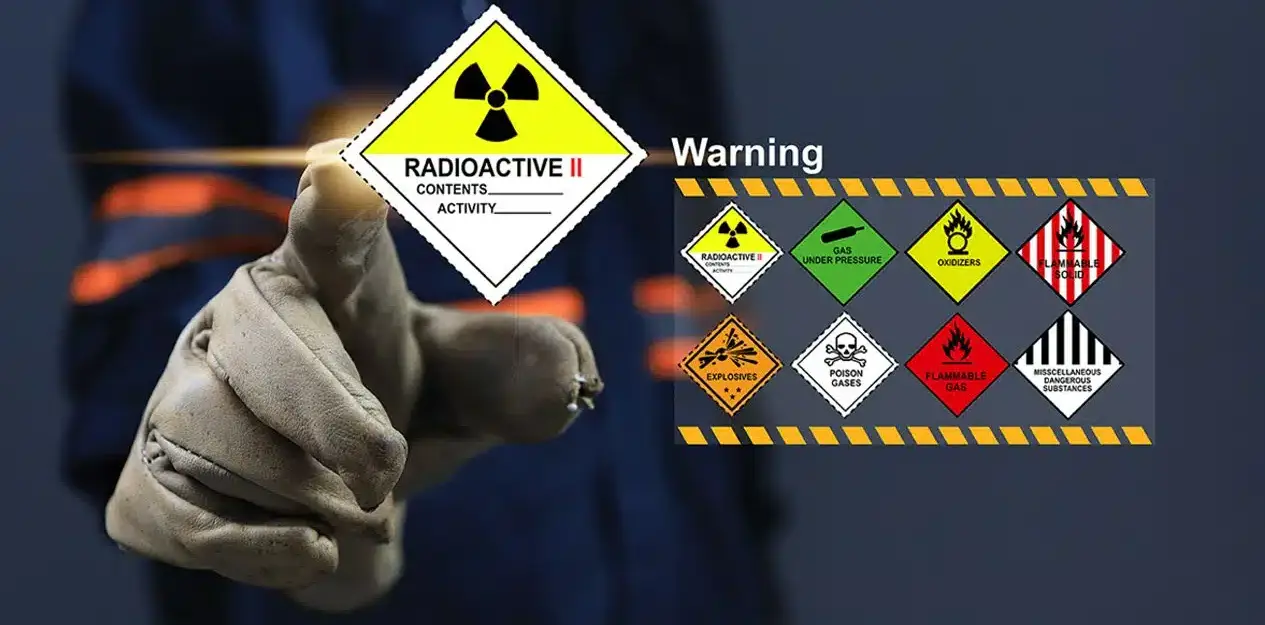
Dangerous Goods Classification Table according to the IMDG Code
This table illustrates the different categories of dangerous goods according to the IMDG code, along with their respective subcategories. This table helps clarify the classifications and subtle distinctions between hazardous materials transported by sea.
| Category | Code | Subcategories |
|---|---|---|
| 1- A1- Explosive materials | 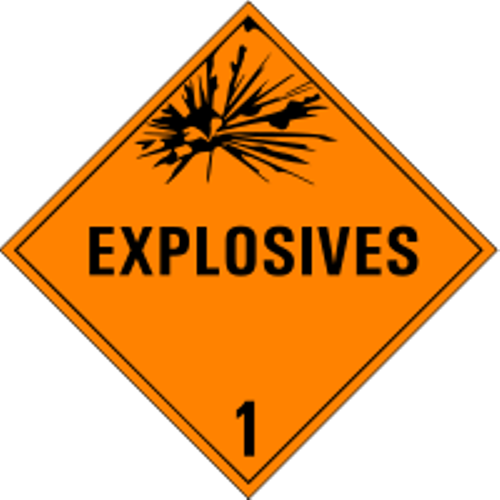 | 1.1: Materials with a mass explosion risk, such as TNT and dynamite. 1.2: Materials with a throwing risk but no mass explosion risk. 1.3: Materials that are a fire hazard and have either a small explosion risk or a small throwing risk (or both) but no mass explosion risk. 1.4: Materials with no significant risk. 1.5: Materials with very low sensitivity but a mass explosion risk. 1.6: Materials that are not very sensitive and have no mass explosion risk. |
| 2 - Gases | 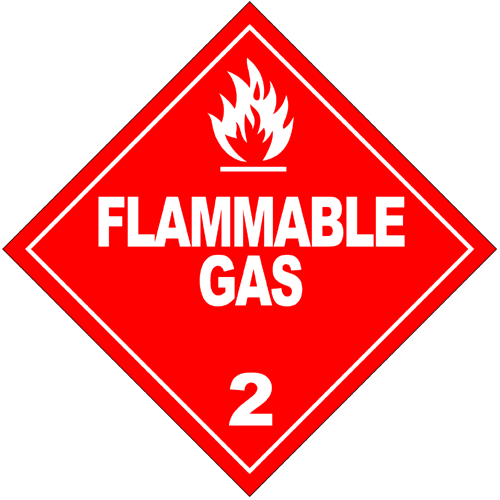 | 2.1: Flammable gases. 2.2: Non-flammable and non-toxic gases. 2.3: Toxic gases. |
| 3 - Flammable liquids | 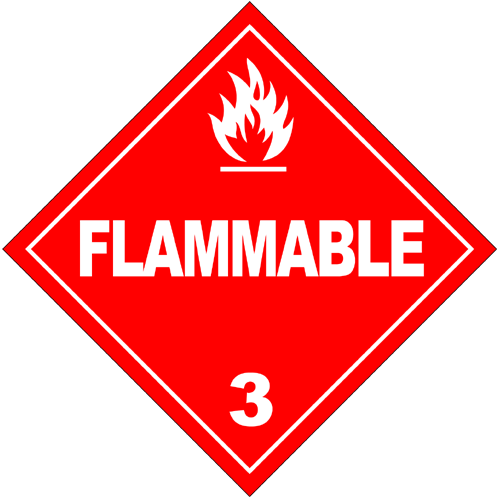 | - |
| 4 - Flammable solids | 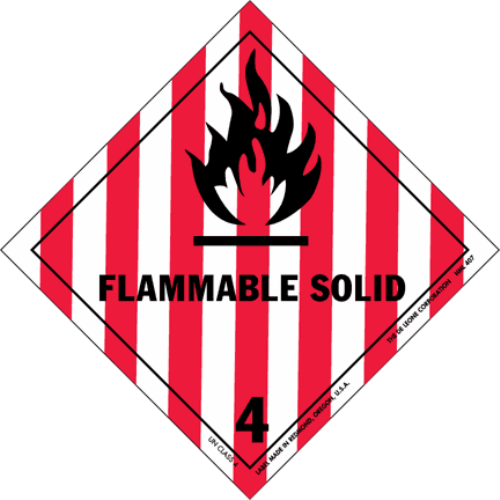 | 4.1: Flammable solids, self-reactive materials, and processed explosives. 4.2: Spontaneously combustible materials. 4.3: Materials that may release flammable gases when they react with water. |
| 5 - Oxidizing agents and organic peroxides | 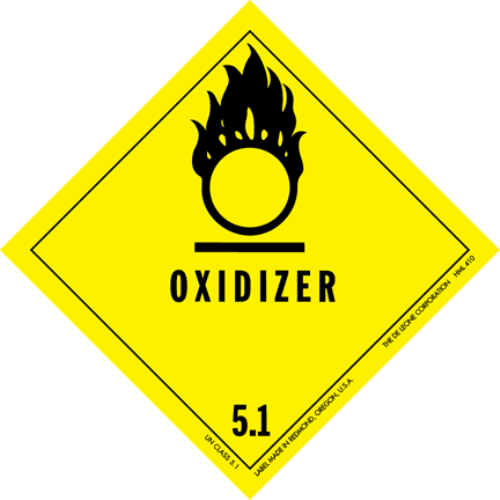 | 5.1: Oxidizing agents. 5.2: Organic peroxides. |
| 6 - Toxic and infectious substances | 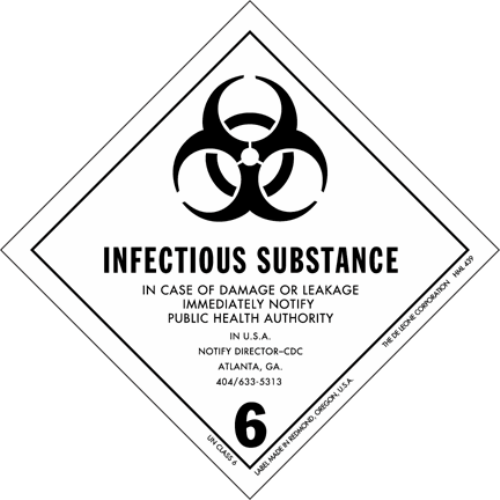 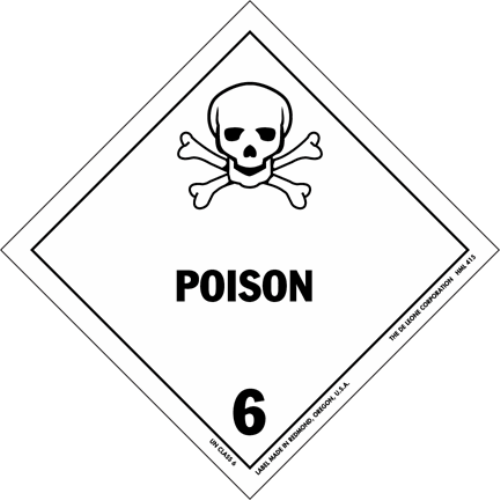 | 6.1: Toxic substances. 6.2: Infectious substances. |
| 7 - Radioactive materials | 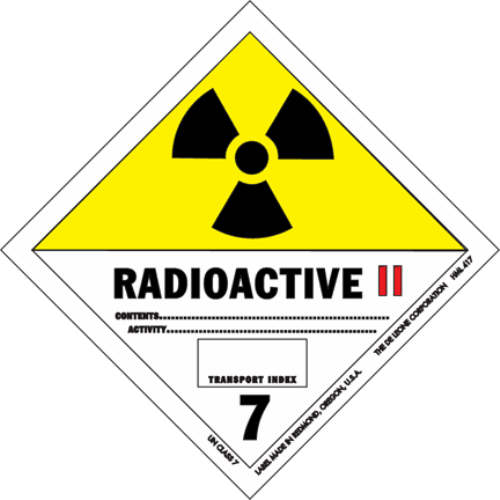 | - |
| 8 - Corrosive materials | 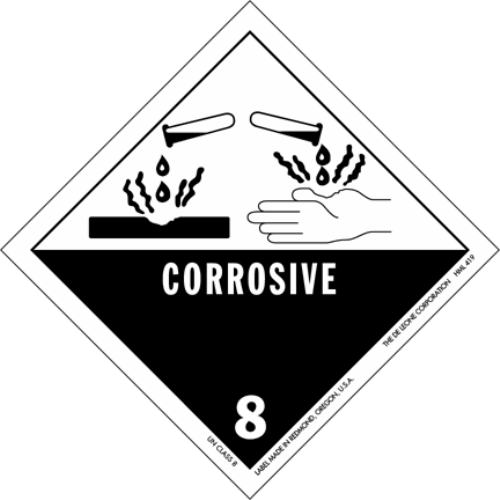 | - |
| 9 - Other hazardous materials |  | - |
List of hazardous material codes
Hazardous material codes are used to identify hazardous materials internationally, making it easier for handlers and emergency officials to access detailed information on how to handle, store, and respond to hazardous materials in emergencies. Here are some common codes:
- Category 1: Explosives
- UN 0012 – Cartridges for weapons
- UN 0336 – Fireworks
- UN 0503 – Safety Valves
- Category 2: Gases
- UN 1001 – Acetylene, solute
- UN 1017 – Chlorine
- UN 1072 – Compressed Oxygen
- Category 3: Flammable liquids
- UN 1203 – Gasoline
- UN 1263 – Paint
- UN 1993 – Flammable Liquids
- Category 4: Flammable Solids
- UN 1307 – Wet Zirconium Powders
- UN 1325 – Flammable organic solid
- Category 5: Organic Oxidizers and Peroxides
- UN 1479 – Oxidized solid
- UN 2014 – Hydrogen peroxide, aqueous solution
- Category 6: Toxic and Infectious Materials
- UN 1541 – Cyanogen Chloride
- UN 1888 – Chloroform
- Category 7: Radioactive Materials
- UN 2910 – Radioactive Materials, Excluded Container
- UN 2912 – Low Specific Activity Radioactive Material
- Category 8: Corrosive Materials
- UN 1789 – Hydrochloric acid
- UN 1830 – Sulfuric acid
- Category 9: Miscellaneous Hazardous Materials
- UN 1845 – Carbon dioxide, solid (dry ice)
- UN 3480 – Lithium-ion batteries
Conclusion
In conclusion, classifying hazardous materials according to international standards such as the IMDG Code is crucial for ensuring the safe transport and handling of dangerous goods. By categorizing materials into multiple classes with their respective subcategories, it becomes easier to identify and effectively manage the risks associated with each class. This classification helps reduce accidents and exposure to hazards that may occur during transport and contributes to the implementation of appropriate preventive measures. By understanding these risks and following the guidelines specific to each hazardous material class, a safe working environment can be ensured, and negative impacts on health and the environment can be minimized.